Pregnancy, Disability & How I adapted
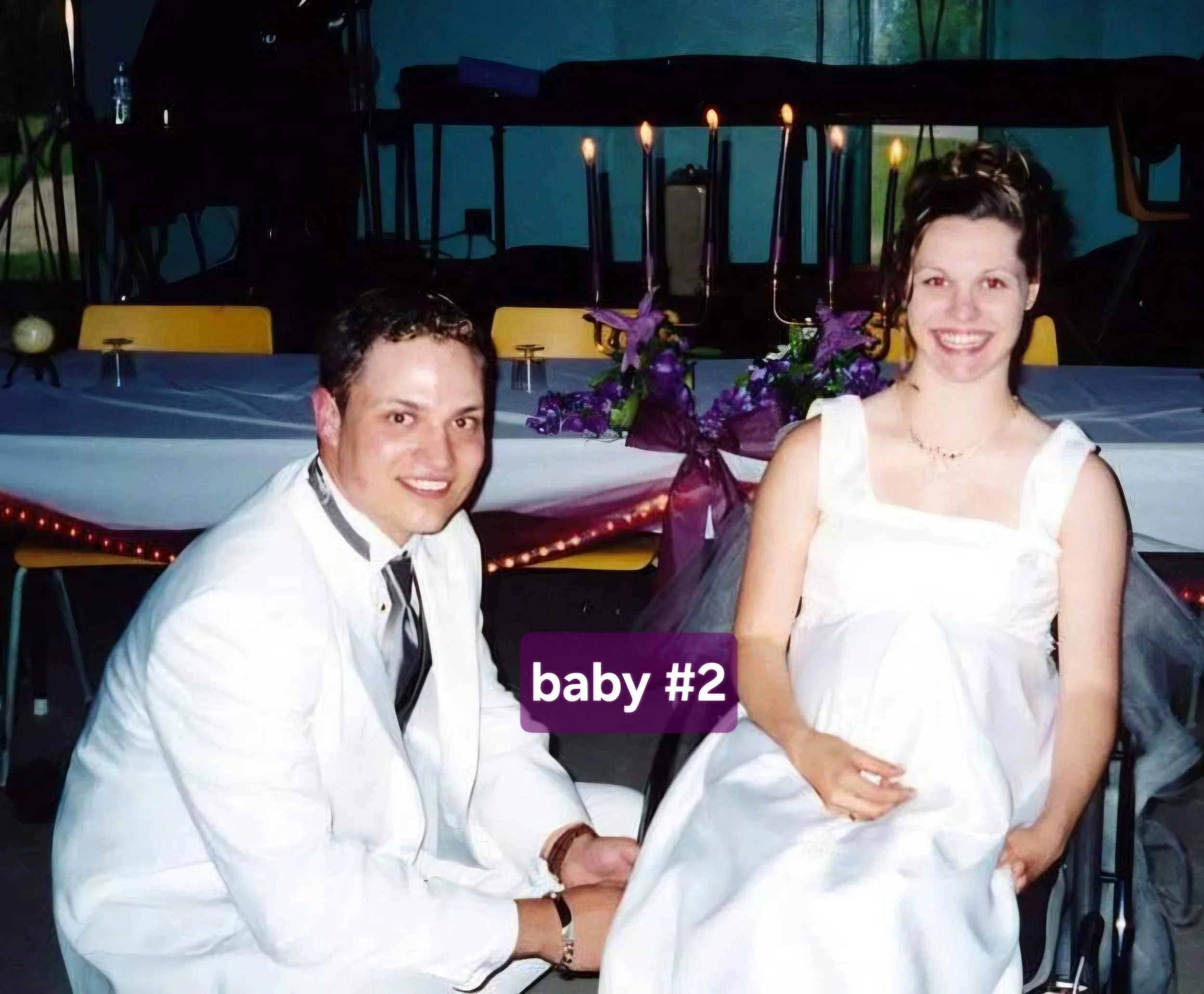
I never thought I would have children, yet I experienced four pregnancies while living with Friedreich’s Ataxia. All of my pregnancies were considered high-risk and closely monitored, but pregnancy itself felt normal to me. I loved being pregnant. I was never sick, took only prenatal vitamins, and attended monthly doctor’s visits. I didn’t need medication, if anything, my doctors often told me my pregnancies seemed to be helping my heart.
My first two deliveries were natural births with epidurals, and I recovered in about two days each time. My third delivery was a C-section, also with an epidural, and recovery took about a week. Overall, my body healed well after birth.
After my second pregnancy, my FA progressed and that is when I began using a wheelchair full time. With my first child, traditional breastfeeding wasn’t easy, so my husband helped me.As she grew, I adapted by caring for her from my wheelchair, placing her securely on my lap and using my one leg to keep her steady while I moved. I didn’t have special equipment or modifications. I simply figured things out as I went.
My second pregnancy ended in devastating loss when my son died from SIDS. After that, I lived with guilt, fear, anger, and constant worry. When I became pregnant again later, that fear followed me. I bought an Angel Monitor so I would know immediately if my baby stopped breathing. Losing a child changes how you parent forever.
During my third pregnancy, I fell while transferring and broke my coccyx, leaving me immobile for the remainder of the pregnancy. To regain my functionality and continue caring for my family, my husband and I made an incredibly difficult decision to terminate the pregnancy.
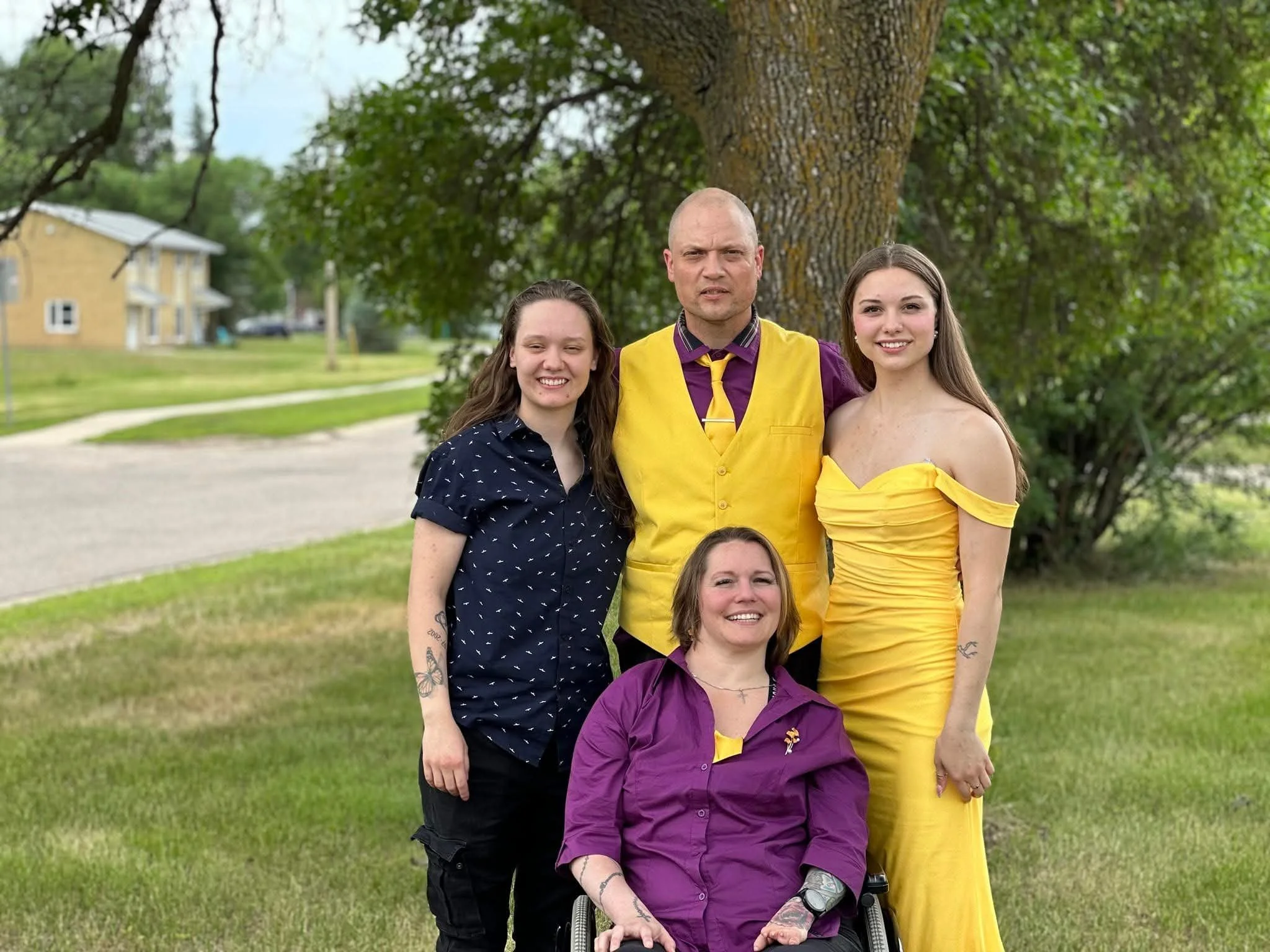
By my fourth pregnancy, my FA had progressed further, and my husband was gone most of the time because he had just started his military career. I usually only saw him on weekends and so I had to learn how to manage largely on my own.
My oldest daughter was only four years old, but she helped me more than anyone would expect. She brought me diapers, helped with small tasks, and would even carefully pick up her baby sister from the swing and bring her to me when I couldn’t get there myself.
People tend to ask me if someone with a disability should be afraid of pregnancy.
Honestly, pregnancy wasn’t the hardest part. The hard part was the parenting , the sleepless nights, the adapting, the problem-solving, and the emotional weight you carry. But you also discover a strength you didn’t know you had.
Motherhood with a disability doesn’t look typical, but it is real, determined, and full of love.