Every Voice Deserves to be Heard: Confidence with a Slurred Speech
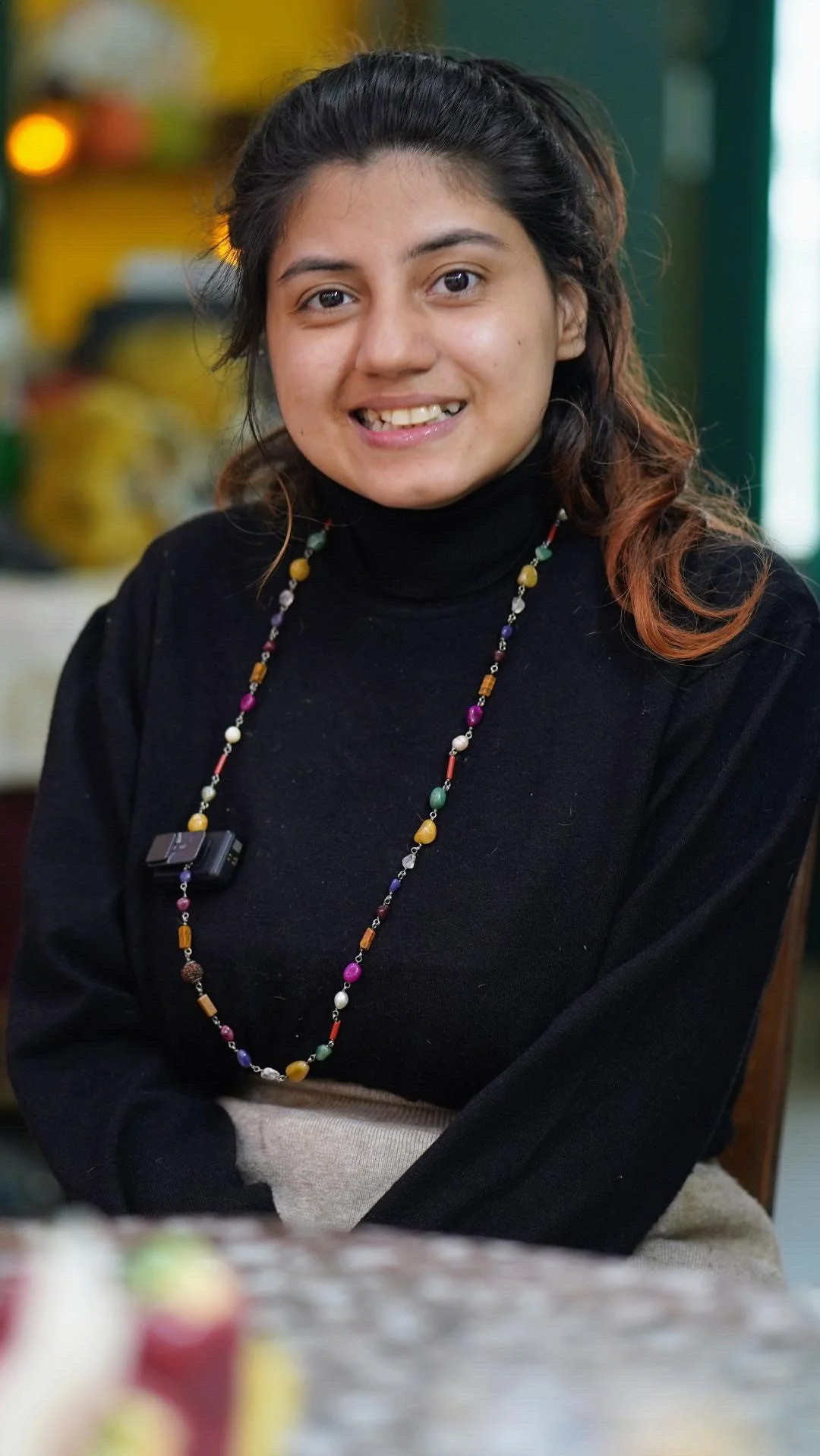
Vinayana, 31 yrs, Delhi (India), Living with Cerebral Palsy, A Music Lover and an Avid Reader 🎶
Having a speech impairment has been one of the most emotional parts of my journey. My slurred speech often made me conscious of how people perceived me. There were moments when I worried that people would focus more on how I spoke than on what I was trying to say. I sometimes felt the need to repeat myself or explain myself, and that could be frustrating and isolating. Over time, I realized that my speech was not something I needed to apologize for. It is simply one part of how I communicate, and it does not make my thoughts, emotions, or voice any less valuable.
My confidence did not come from my speech becoming perfect. It came from understanding that it never needed to be perfect in the first place. I started speaking more openly, sharing my thoughts, creating content, and putting myself in spaces where people could hear my voice. Slowly, I stopped measuring myself against people who speak differently and started focusing on the message I wanted to share.
Today, I may still have slurred speech, but I no longer see it as something that should silence me. My voice deserves to be heard, exactly as it is.
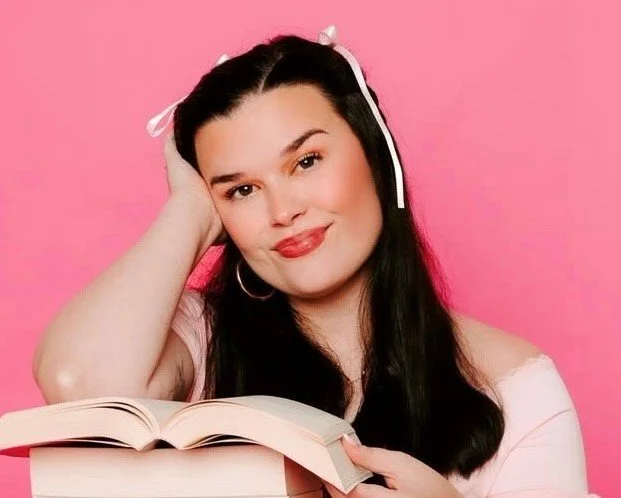
Madison, 25 yrs, Texas (USA), Living with FA, A Homebody that loves to Read 📚
One of the most visible symptoms of Friedreich's Ataxia (besides a clumsy gait) is slurred speech. It can be so frustrating that my words aren't delivered as I intend.
My deepest desire is to be understood (figuratively), yet people cannot even physically understand me because of slurred speech. This insecurity led me to speak less, stop singing along with the radio, and only speak when spoken to.
However, the biggest part of my disability journey was acceptance. Accepting that FA is a part of who I am, and that included my sometimes-slurred speech. I have things to say, books to recommend, a disability to advocate for, and so I will continue to use my voice. It may take me a little longer to get my point across, and I may stumble over my words or struggle to enunciate... but that's okay. It's a part of me. It's just another characteristic of who I am.
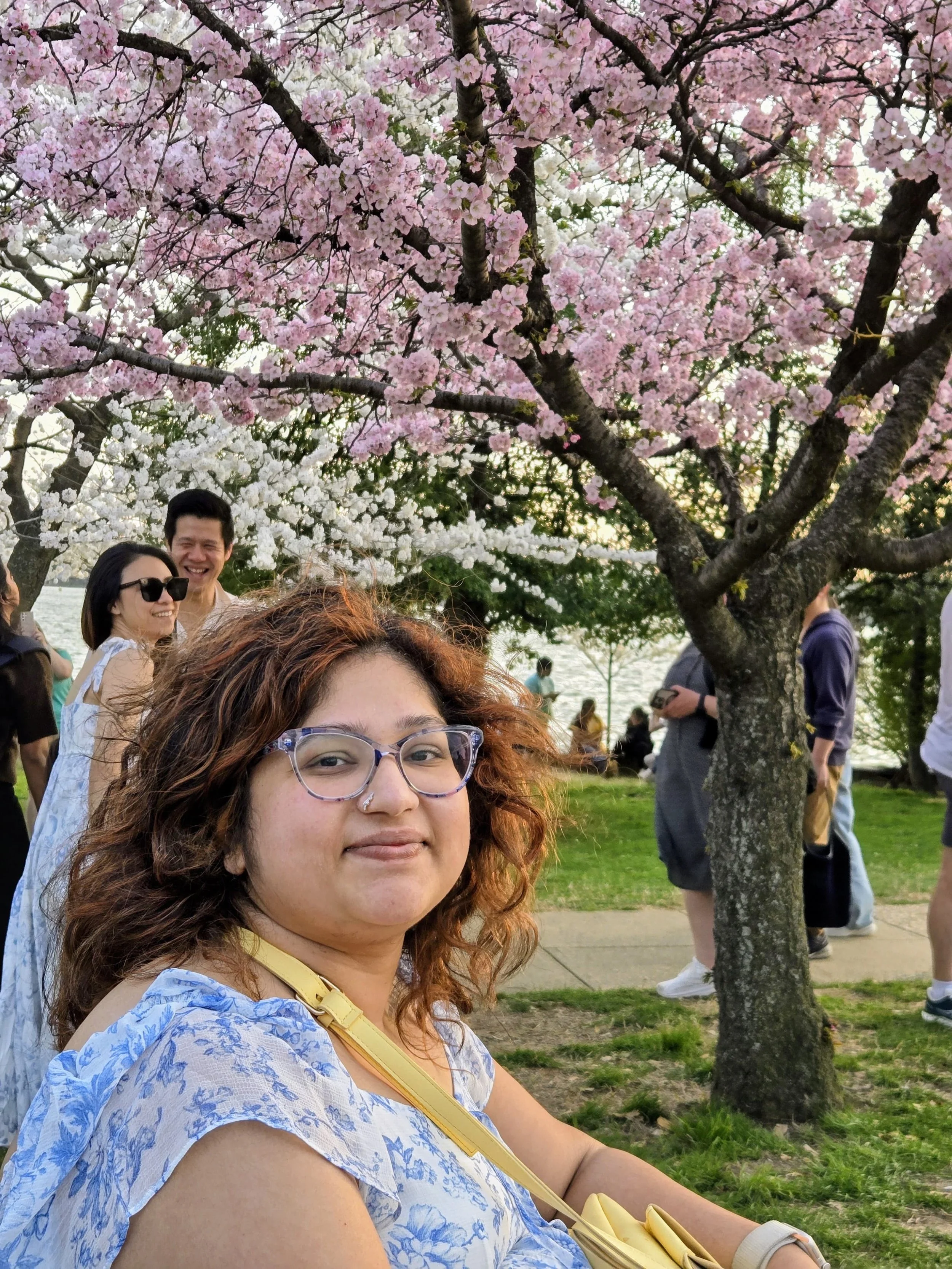
Hasitha, 30 yrs, North Carolina (USA), Living with FA, A movie buff who loves to write 🎥
Growing up, I wasn’t really insecure about my speech. I was more concerned with the obvious - my mobility so my speech didn’t really concern me greatly. I used to talk with everyone around me and the ones who wanted to understand me stayed, while countless left. FA causes deterioration in speech as well, but that insecurity always stayed in the background. It was only when I began public speaking that my speech insecurities surfaced.
Everything depends on how we communicate. Do we deliver it Loudly? Softly? Harshly? Quietly? How we say something totally matters; I am aware of that. But, sometimes, I can’t even control that part which causes so many misunderstandings.
I am also not a comfortable public speaker to start with, and this speech insecurity doesn’t really help. My speech is slow and sometimes people don’t understand me. Hence, talking in public or even in a group is something, I fear. But I still do it because facing our fears is way better than being in the sidelines, afraid.

Neha, 29 yrs, Mumbai (India), Living with FA, A Fitness Enthusiast who believes Strong Body = Strong Mind🏋🏼♀️
When I started applying for online teaching jobs, I noticed my slurred speech. While talking on calls, they would ask if I had just woken up or if I was sleepy but, I didn’t feel sleepy at all. They thought I sounded very slow, tired, and a little rough. Sometimes I even felt that they rejected me because they thought I was uninteresting or that my teaching was boring, when actually it was my slurred speech that probably gave them that impression. That really affected my confidence.
Then, I started looking up the smaller symptoms of Friedreich’s ataxia. I already knew about the balance and heart-related symptoms, but I learned that slurred speech was also one. That was when I started becoming more conscious of it. But my family and friends never made me feel like it was a problem.
Eventually, I made videos and talked openly about my speech. The first few videos were very awkward, and I honestly didn’t even want to hear my own voice. But people accepted me and told me they understood, and slowly my confidence started growing.
Even now, when I have a difficult day, I take a pause, talk less, and focus on my own routine—reading, meditation, and other things that help me feel grounded. After a day or two, I usually feel better and continue again.