Redefining Strength: Masculinity, Disability, and the Meaning of Contribution
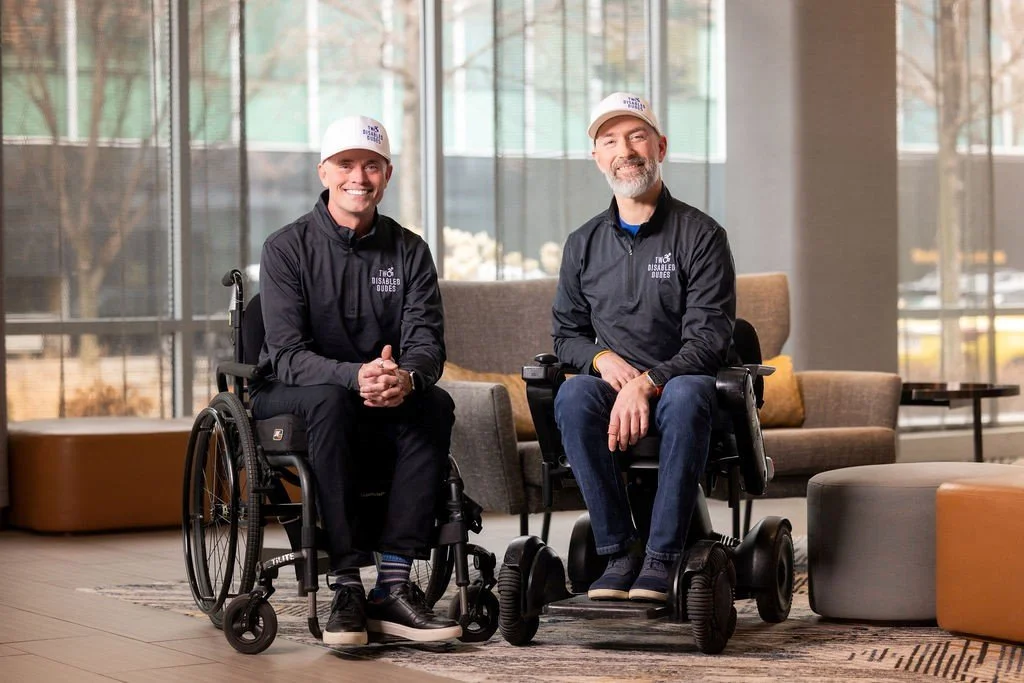
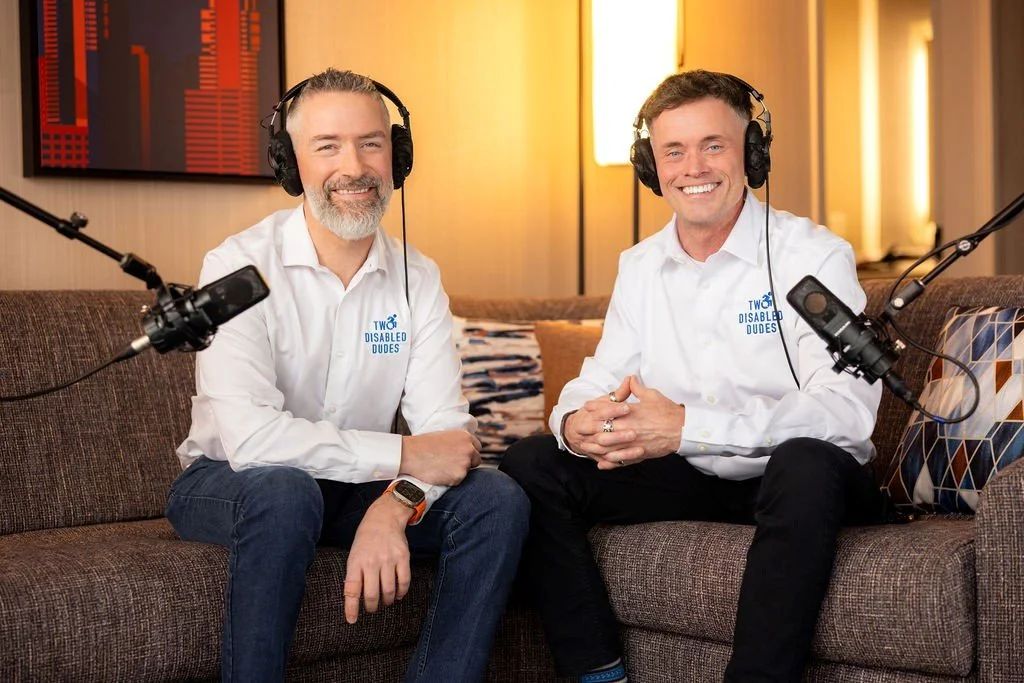
Today, we have the guys from The Two Disabled Dudes Podcast—Sean Baumstark and Kyle Bryant! They’ll both be sharing their perspectives, with Sean starting things off :)
Choosing Momentum over Stress, Stigma, or Isolation
I don’t pretend stress, stigma, or isolation don’t exist, and I don’t wait for them to disappear before I move forward. They show up whether I invite them or not. The difference is whether I let them dictate how I live. I cope by staying engaged: with people, with purpose, with things that are challenging enough to remind me I’m still choosing my life.
Isolation can creep in quietly, especially when my body doesn’t move the way the world expects it to. But pulling back only shrinks my world. Action, even imperfect, uncomfortable action, keeps it open. I don’t rely on constant positivity. I rely on momentum, no matter how big or small.
Reshaping My Understanding of Independence
Independence doesn’t mean doing everything myself, it means deciding how I show up. I value self-reliance deeply, but I’ve learned that refusing help just to prove a point isn’t strength. It’s ego.
Accepting help doesn’t take away my agency; it preserves it. I still set the direction. I still do the work. Letting someone hold a door or grab something out of reach doesn’t make me less capable—it allows me to focus my energy on what actually matters. The balance comes from knowing what’s worth insisting on, and what’s worth conserving energy for.
The challenge was coming to terms with my limitations and being okay with allowing others to help with the things that I took for granted when I was younger - such as carrying a beverage from the dinner table to the couch and hanging a picture frame on the wall. I’m not less of a man because I can’t wield a hammer like most - I’m different due to something completely out of my control.
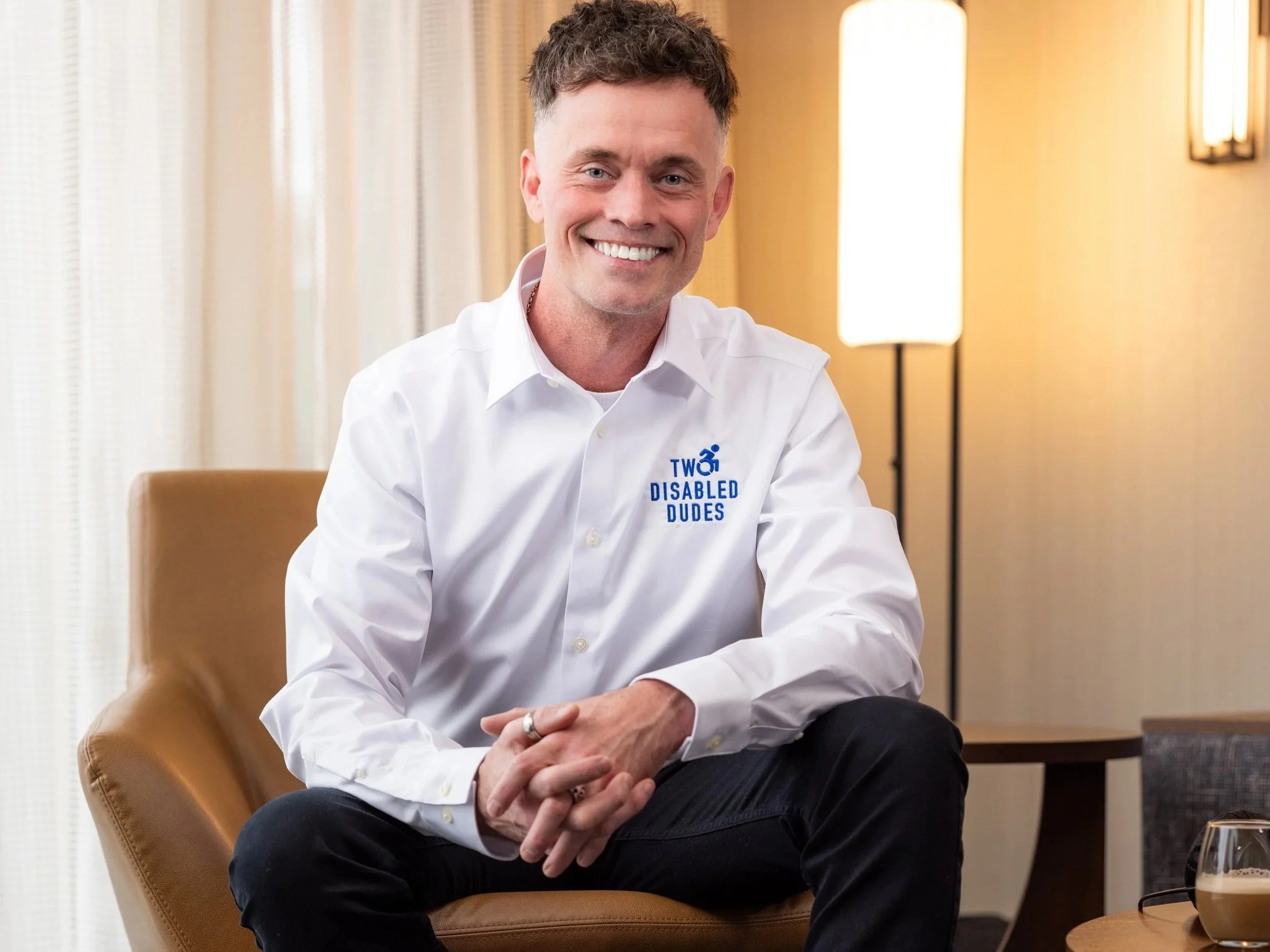
Sean Baumstark
Purpose driven by Truth, not Sympathy
Most of the effort in my life is invisible. Standing still takes concentration. Moving through the gym requires intentionality. Taking even one step requires support from my rollator, a countertop, or a wall. Movement is risky and fatigue is constant. Fatigue isn’t just being tired, it’s managing energy like a limited resource, every single day.
What people often miss is that none of this is dramatic. It’s quiet. It’s constant. And it doesn’t pause just because I’m having a good day or doing meaningful work. I’m not looking for sympathy, but helping others understand helps everyone, so it matters. Showing up already costs more than most people realize.
Strengths/ Insights Due to my Disability
Living with Friedreich ataxia has forced clarity. Effort is not optional in my life. Discipline, patience, and follow-through aren’t concepts—they’re requirements. When quitting is always the easier option, you learn quickly what commitment really means.
It’s also given me perspective. I don’t chase comfort, I chase meaning. I understand the cost of showing up, which makes it matter more when I do. Resilience isn’t a personality trait or a buzzword. It’s a decision.
A Word for the Younger Men or Boys with Disabilities
You don’t owe the world an explanation—but you do owe yourself effort. Your disability will shape your life, but it doesn't define your limits unless you let it. Waiting to feel confident, ready, or fully understood is a losing strategy.
Do the thing anyway. Speak up anyway. Try—even when it’s messy, even when you fail. There is no perfect moment coming where it all gets easier. But there is a version of you that gets stronger by choosing to engage. Don’t wait for permission to live fully. You already have it.
Now, we have Kyle Bryant and his Truths
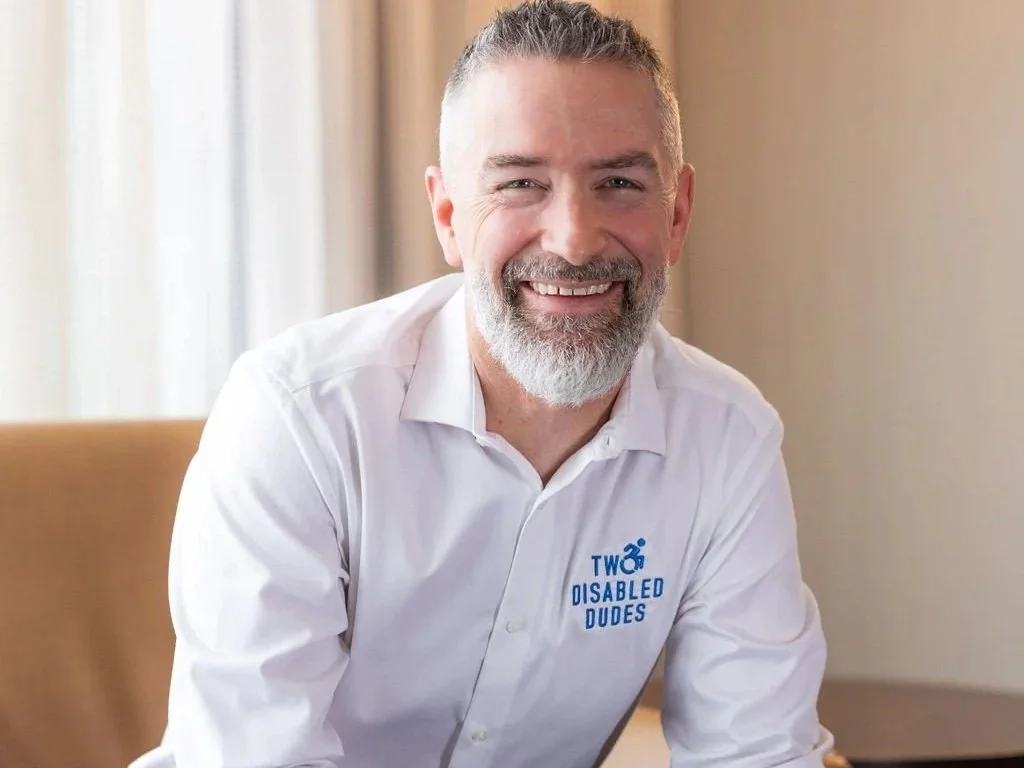
Kyle Bryant
I didn’t grow up questioning masculinity. I absorbed it.
Strength meant pushing harder. Pain was something you ignored. Worth was tied to output—what you could accomplish, how far you could go, how little help you needed along the way. Cycling, endurance, and movement all fit neatly into that definition. I liked the feeling of forward momentum, the clarity of effort in and results out.
Then my body started betraying the plan. When I was diagnosed with Friedreich’s ataxia, it wasn’t just a medical reckoning—it was an identity one. The disease didn’t arrive dramatically; it crept in, stealing balance, coordination, and certainty in quiet increments. What unsettled me most wasn’t what I lost physically, but what it forced me to confront internally: if my body could no longer do what I expected of it, who was I supposed to be?
Disability Reshaped My Understanding of Masculinity
For a while, I tried to outwork the diagnosis. I trained harder. I rode farther. I convinced myself that grit could cancel biology. And in some ways, endurance sports rewarded that mindset—until they didn’t. In 2007, almost 10 years after my diagnosis, I rode my recumbent trike frim San Diego, CA to Memphis, TN.
Cycling across the country wasn’t only about miles or fundraising. It became a private lesson for me in my own limits. There were days when my legs wouldn’t respond the way my mind demanded. Days when finishing required help—drafting behind others, leaning on a team, accepting support without apology.
Codependence was a gear I had never practiced shifting into. Did depending on others suddenly make me unmasculine?
Disability forced me to redefine masculinity from domination to adaptation. Strength stopped being about overpowering my body and became about listening to it. Courage wasn’t the absence of fear or frustration; it was staying engaged when the path forward required humility instead of heroics. It turns out masculinity isn’t about refusing to slow down. It’s about knowing when to shift so you can keep moving.
The Emotional Weight Men with Disabilities Carry Quietly
There’s an emotional undercurrent to disability. Grief shows up in unexpected places—not just for lost abilities, but for imagined futures. The version of myself who assumed his body would always cooperate and didn’t get a proper farewell. That grief didn’t disappear because I was still accomplishing big things; it lingered beneath them.
One of the hardest emotional challenges that seems tied to masculinity is self-worth. When your identity has been tied to physical capability, disability introduces a quiet question that follows you everywhere: How do I contribute now?
Men with disabilities often feel pressure to compensate—to be exceptional, inspiring, or relentlessly positive—to make up for what we think we’ve lost. There’s little room to admit exhaustion, fear, or resentment without feeling like we’re failing some unspoken test.
And there’s loneliness too. Even when surrounded by teammates, supporters, or loved ones, living in a body that behaves unpredictably can be isolating. You’re constantly translating your experience, explaining why today is different from yesterday, why effort doesn’t always equal outcome.
What we don’t talk about enough is how heavy it is to carry all of that silently.
Purpose After the Shift
Disability eventually took away my old definition of purpose—but it also gave me the opportunity to build a better one. Sometimes grieving leads us towards renewal. For a long time, purpose meant achievement: crossing finish lines, proving resilience, showing that a diagnosis doesn’t define me. Over time, that narrative started to feel incomplete. I didn’t want my contribution to be about denying reality; I wanted it to come from engaging with it honestly.
Purpose, now, feels more relational than performative.
It shows up in conversations that make people feel less alone.
In telling the truth about adaptation instead of glorifying suffering.
In redefining success so it include rest, support, and sustainability.
Cycling taught me that you don’t stop moving forward because you shift gears—you shift so you can keep moving. Disability has taught me the same thing about life. Some days, contribution looks like advocacy and storytelling. Other days, it looks like listening, learning, or letting go of expectations that no longer serve me. Both are valid. Both matter.
A Different Kind of Strength
If there’s one thing disability has clarified for me, it’s this: masculinity isn’t fragile. It doesn’t disappear when your body changes. But it does need to evolve. Real strength isn’t pretending nothing has changed. It’s adjusting your posture, your pace, and your priorities—without losing your sense of direction. I’m still moving forward. I’m just doing it with intention now. And that shift has made all the difference.
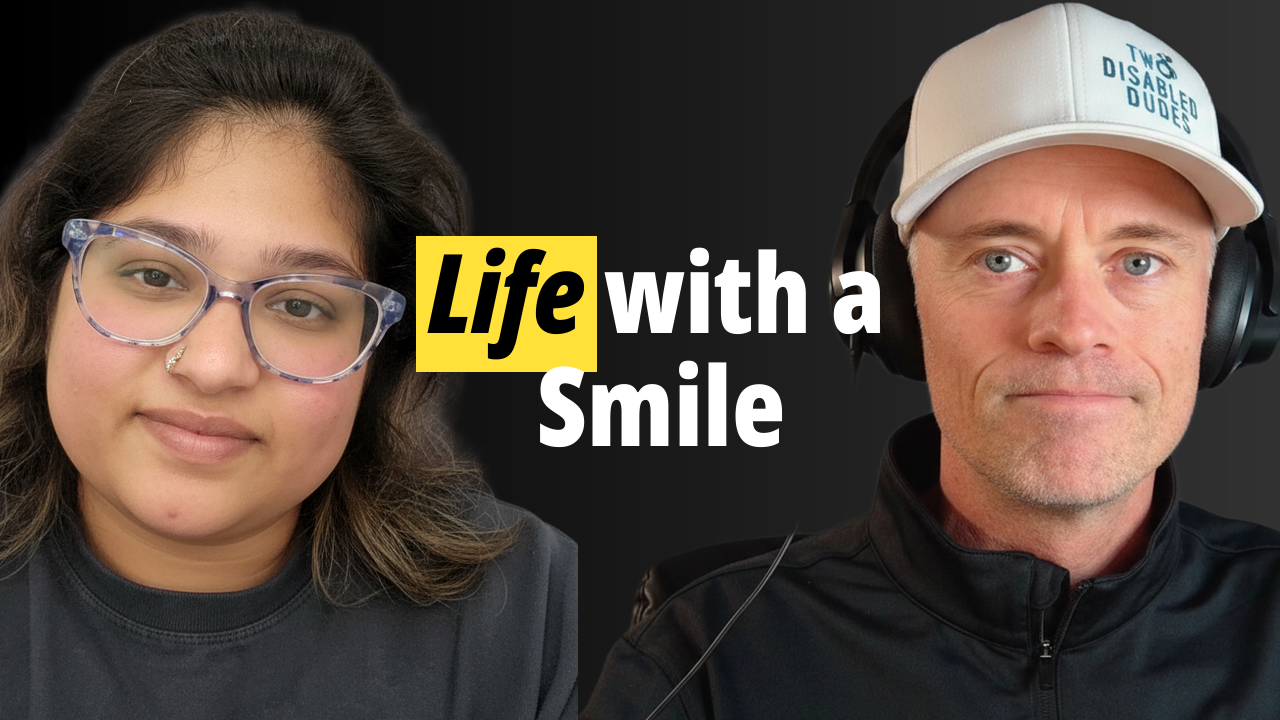
Kyle, Sean, and I recorded an episode for the 2 Disabled Dudes Podcast. Its Live: https://twodisableddudes.com/288-choosing-to-smile-even-when-its-hard/