Finding My Voice: My College Journey With FA
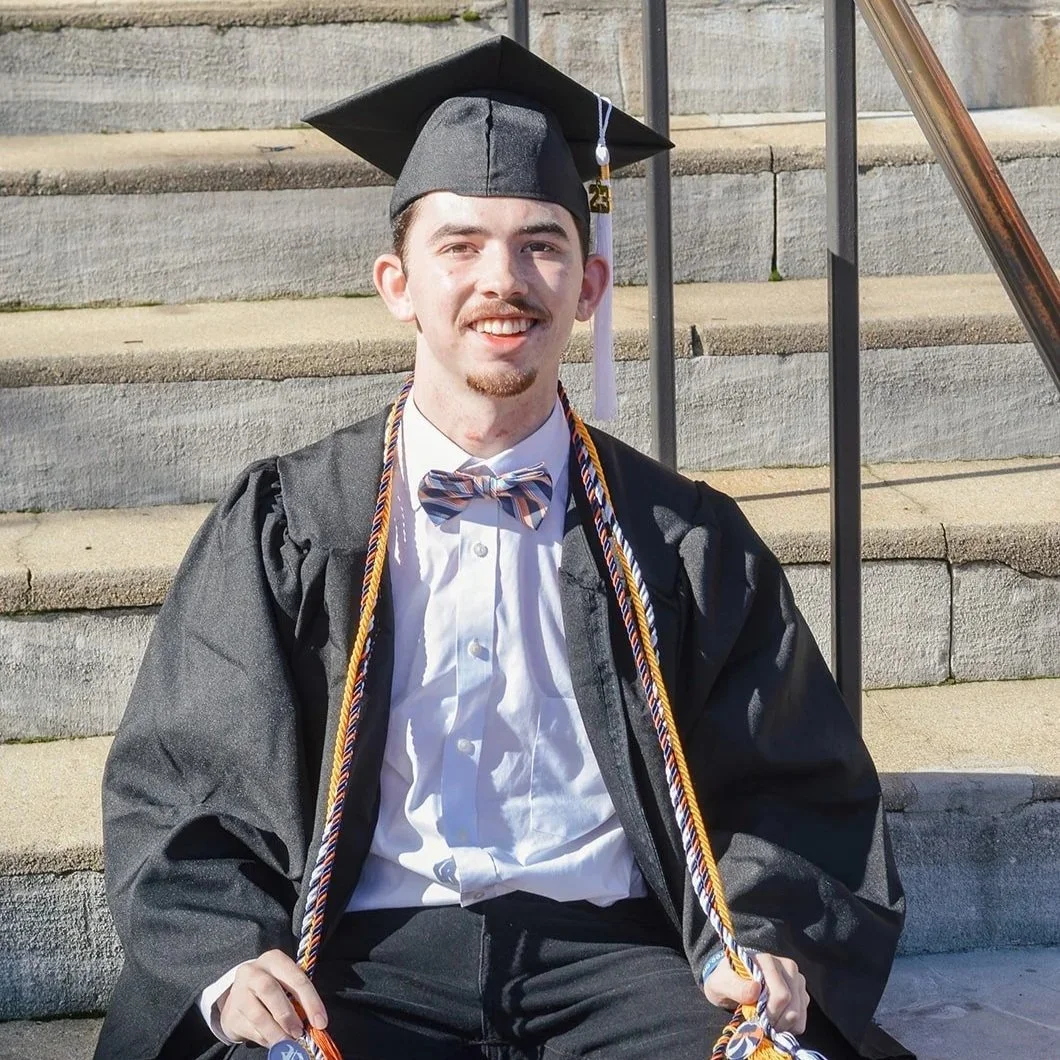
A few months ago, I talked with someone who had recently been diagnosed with Friedreich’s Ataxia (FA) and was preparing to begin college at a major university this fall. As someone who was diagnosed with FA eight years ago and graduated from college two years ago, I wanted to offer meaningful advice. But the truth is, no single piece of advice can fully prepare someone for such an exciting – yet challenging – season of life.
What I ended up typing was simple: “College is intimidating at first, but it will force you to grow so much as a person in all the best ways.” It’s the most accurate one-liner I can use to summarize my experience.
Hi, my name is Noah Griffith. I’m 24 years old and was diagnosed with FA at 16. I’m from East Alabama, and I graduated from Auburn University with a bachelor’s degree in journalism in December 2023.
When I was diagnosed with FA near the end of my junior year of high school, all of my plans for the future were suddenly thrown into question. I was an all-A student with a lot of academic potential, but now I had to factor in a progressive disease and how it would affect me for years to come. The uncertainty caused a lot of anxiety.
Eventually, my indecision led me to make what felt like the safest choice: attending community college while living at home. While it wasn’t the most exciting option, it turned out to be the right one. A smaller campus made it easier to navigate physically, and staying close to family and friends gave me the support I needed as I adjusted to life with FA. The workload was also more manageable, which allowed me to focus on physical therapy, staying active, and getting involved in the FA community by attending FARA events.
Most importantly, community college prepared me to eventually transfer to a major university. I learned how essential it was to meet with the school’s office of accessibility and how to advocate for myself with professors and peers. I found that if you don’t speak up, nothing changes, and that advocacy isn’t just about pointing out a problem but also helping others understand potential solutions.
Those lessons became invaluable once I transferred to Auburn University. My time there included incredible memories and opportunities, as well as significant challenges – physical, emotional, mental, relational, etc. But I was prepared to put what I had learned into practice.
As a journalism major, I aspired to become a sports writer. I grew up playing sports and developed a deep love for athletics, so it felt like a natural fit. On my first day at Auburn, I joined the student newspaper, The Auburn Plainsman. One of my favorite parts of college was attending sporting events, whether I was covering them for the paper or just enjoying them as a fan.
It didn’t take long for my love of sports, my passion for journalism, and my desire for accessibility to collide.
One Saturday, I sat alone on the couch in my apartment while what felt like the rest of the city packed into Auburn Arena for the biggest basketball game of the year: Auburn vs. Kentucky. Our basketball team was experiencing unprecedented success and rocketed up to No. 1 in the country. Plus, we were facing a powerhouse program. The atmosphere was electric – and I couldn’t be there for it.
Student entry was first-come-first-served, and students camped outside the arena overnight in below-freezing temperatures to secure a spot. For someone with a physical disability, that simply wasn’t an option.
I was angry. Angry that I was excluded from one of the most significant campus events of my college years solely because of my disability. I already had to bite the bullet on many accessibility shortcomings at Auburn, but this wasn’t one I was willing to let go. The lessons in self-advocacy I had learned finally came up to bat.
I wrote a letter to the university president explaining why it wasn’t safe for me to attend the big game, detailing my broader experiences with accessibility at basketball games. After encouragement from my dad, I revised the letter and submitted it instead as a column to The Plainsman.
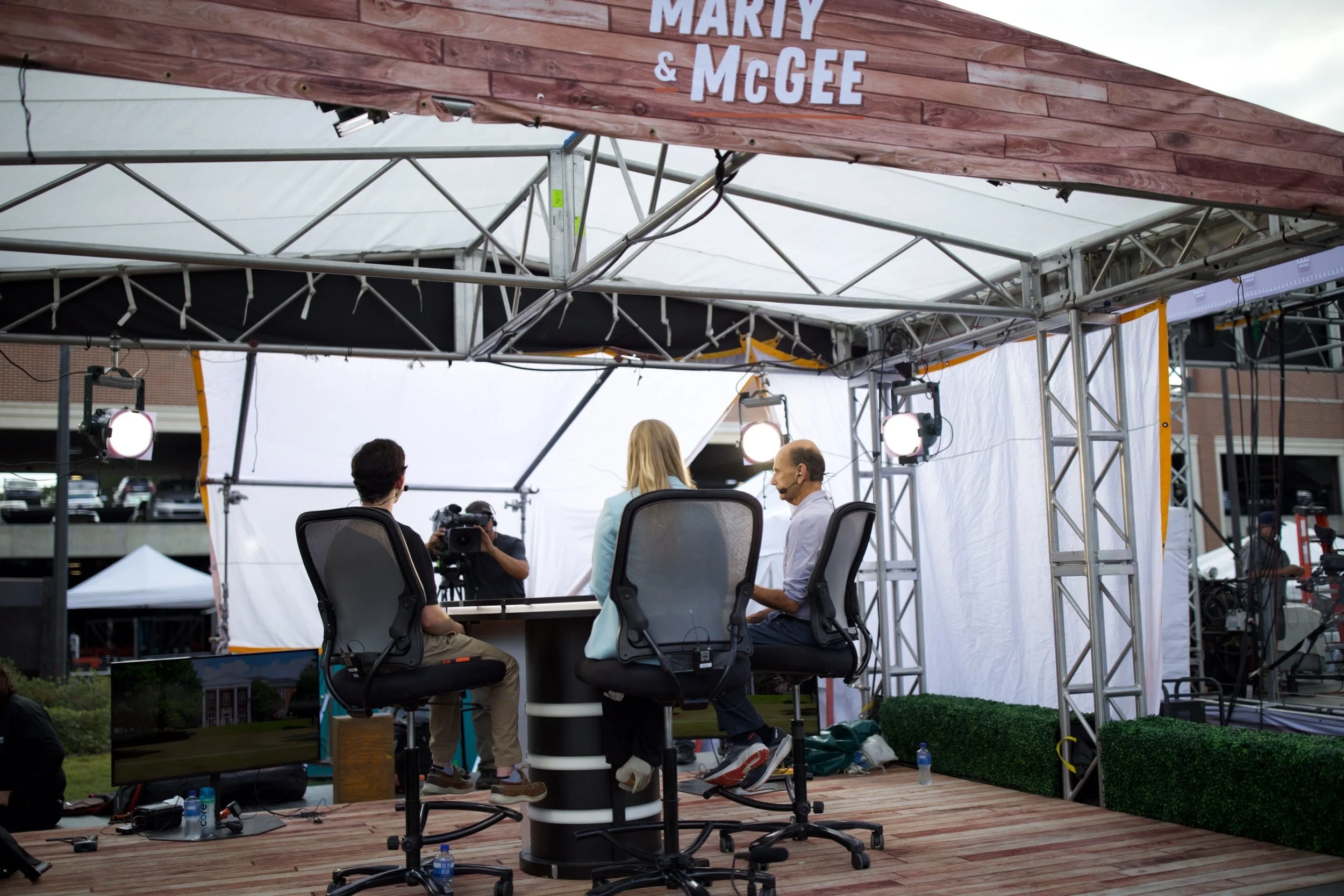
My editor was shocked—in a good way. Not only did he agree to publish it, but he told me it was something people needed to read. And he was right. The column took off, garnering thousands of reads as well as likes and shares on social media. Several of my professors even reached out to congratulate me. Most importantly, the university president’s staff contacted me to say they were implementing changes that allowed students with disabilities to reserve accessible seats before games.
After I broke the news of the policy change on social media, The Paul Finebaum Show – a nationally syndicated sports radio program – reached out and invited me on the show to talk about the column. What started as a piece for a student newspaper became a nationwide conversation that brought meaningful awareness to FA and disability etiquette as a whole.
This experience was especially surreal considering I entered college as a shy, insecure teenager. My voice had weakened due to FA, and my mobility was declining. Nonetheless, I experienced more personal growth during my 4.5 years in college than ever before.
Going to college with FA is hard. It’s exhausting. At times, I wondered if it was worth it. But looking back now, learning to use my voice to advocate for others profoundly shaped my life. I never would have helped make Auburn a more accessible campus if I hadn’t taken the leap of faith necessary to turn my pain into purpose.
So yes, I would say college was worth it. Most anything that gets you out of your comfort zone is. Like I said, it forces you to grow in all of the best ways – the ways that produce character.