A Candid Convo with the CEO, Jen Farmer at FARA
Today, we have an interview style blog with the lovely Jennifer Farmer. She is the CEO of FARA, Friedreich’s Ataxia Research Alliance which brings together scientists, families, clinicians, and industry to fund and accelerate research toward effective treatments and a cure for FA. Jennifer reminds me that no matter where we are in life, it’s our humble nature that truly shines!🌟 Let’s Begin!
Hi Jen. Thank you for accepting to write on my blog for FA awareness! To begin with, what have you graduated in and how did you end up with Genetics 🧬 as your speciality?
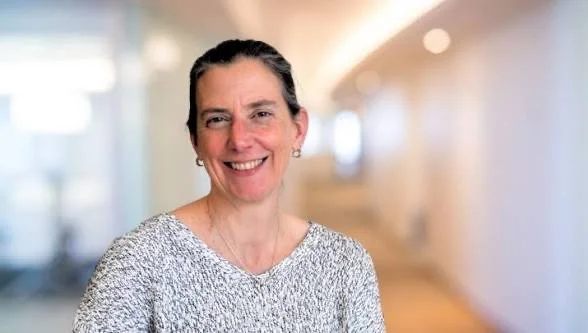
I have a master’s degree in Genetic Counseling. Genetics was the “AI of the 1990s.” It was a rapidly advancing field powered by new technologies that allowed us to study the human genome and its connections to various medical conditions. It was an exciting time, as we were gaining a deeper understanding of the causes of specific conditions and improving our ability to provide more accurate, definitive diagnoses.
How were you introduced to this condition, Friedreichs Ataxia and when did the FA get known to this world?
FA was first described by a neuropathologist Dr. Nicolas Friedreich in Germany in 1865. Dr. Anita Harding provided the first clinical diagnostic criteria in 1985, and Drs. Pandolfo and Koenig discovered the disease-causing genetic mutation in 1996.
I was first introduced to Friedreich ataxia in 1997. I was working as a genetic counselor at the University of Pennsylvania with several neurologists who were interested in setting up neurogenetics clinics and research studies.
How did you end up specializing in FA and when have you become a part of FARA?
When I was first introduced to FA, it was a pivotal time. The disease-causing gene mutation had just been identified, which was a major breakthrough. With this discovery, we now had a way to definitively diagnose FA, prompting significant interest in bringing individuals who had been clinically diagnosed — or were suspected of having FA — back to the clinic for genetic counseling and testing. In addition, understanding the cause of the disease sparked increased interest in research, and ideas about potential treatments quickly began to emerge.
I had the opportunity to coordinate the first FA research studies at the University of Pennsylvania and the Children’s Hospital of Philadelphia. This work is how I met the individuals and families who would go on to establish FARA in 1998:
Ron and Raychel Bartek, FARA co-founders, who brought their three sons, including Keith Andrus, who had recently been diagnosed with FA.
Mary Caruso, a founding FARA Director, who brought her two young children, Sam and Alex Bode.
Marilyn and Terry Downing, founding FARA Directors, who brought their daughter, Bridget.
Connecting with these families and the many others who participated in our first research study had a profound impact on me. They were deeply motivated to help their children and others with FA. They spoke passionately about establishing FARA to expand FA research and shared their vision for a future with effective treatments.
It was inspiring to be connected with physicians, researchers, and FAmilies who were building an FA community with a shared mission. I knew I wanted to go beyond diagnosing people with genetic conditions. I envisioned improving clinical care and outcomes by facilitating research that directly involved people living with FA. I believed then — as I still do now — that the more we understand about the disease, the more progress we can make. I wanted to move from counseling families that “there is nothing you can do, no treatments” to one day being able to say, “You have Friedreich Ataxia, and we are going to manage and treat your condition.”
If you had to explain about FA to someone new, how would you tell them?
FA is a genetic condition that causes problems with coordination of movement (ataxia), fatigue, heart issues, diabetes, and difficulties with speech, vision, and hearing. It is a serious and progressive condition, meaning symptoms worsen over time. Everyone with FA experiences neurological symptoms — such as trouble with balance, walking, and coordinating upper limb movements (like reaching for an object or putting a key into a lock). However, the age of onset, rate of progression, and involvement of other organs —such as the heart, muscles, and eyes — can vary widely.
Your journey with FA is your own. Don’t let the diagnosis, what you read, or the experiences of others make you feel as though you are destined for a specific path or outcome. We are actively rewriting what it means to have FA. New treatments are emerging that will alter the course of the disease as we have known it.
What keeps you motivated that one day, we will in fact have a cure?
There is one approved treatment and a strong pipeline of additional potential therapies in clinical trials. Behind these are extensive research efforts that will continue to fill and strengthen the pipeline. Each new treatment will be additive, bringing us closer to meaningful improvements — and ultimately, a cure.
In addition, scientific progress moves much faster today than it did when I first began working in FA, 29 years ago.
One thing that FARA does (Apart from research) is they make events all over the states so families dealing with FA can connect. How does connecting with the FA community make you feel?
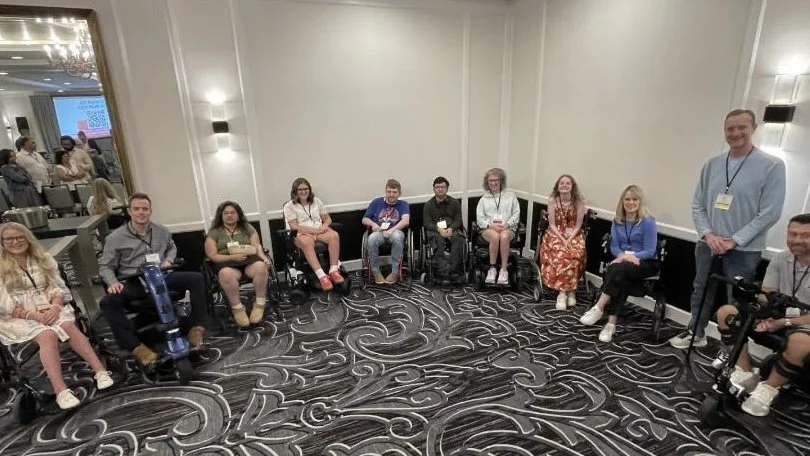
FARA Reception in Charlotte!
I enjoy connecting with the FA community through events. I am constantly learning from the lived experiences of FA families, and I believe these events strengthen both the knowledge we share and the cohesiveness of the community. These connections always make me feel affirmed in the work I am doing andreinforce the real need for urgency.
How has working in FA research changed the way you see science, disability, or hope?
Science gives me hope. The more we understand through scientific discovery, the greater confidence I have that we will develop treatments that can slow, stop, and even reverse FA. I have also learned that science must be informed by the lived experiences, needs, and perspectives of individuals with FA. That is why FARA says, “We believe that transformative change lies at the intersection of people and science.”
My experiences meeting people in the FA community have taught me many things about disability, including resourcefulness, creativity, and grit. Individuals with FA, and their families and friends, find ways to adapt and do things differently so that events can be attended, goals can be achieved, and life can be fully lived. Society needs to be more progressive, more creative, and more willing to apply modern technology to address the lack of accessibility and the significant inequities that exist in our communities.
FARA is the one place for all things therapies when it comes to FA. I remember going to a clinical trial through FARA when I was little. What are therapies for FAers now or in the pipeline?
There is one approved treatment for individuals with FA who are 16 years and older: omaveloxolone (omav) or Skyclarys.In clinical trials, individuals taking omav showed improvement in function as measured by a neurological rating scale, and in longer-term studies, those taking omav experienced less progression of neurological symptoms compared with natural history control groups. Omav is also currently being tested in clinical trials for children with FA.
There are many additional treatments in development, and many of them target the disease-causing gene mutation which leads to frataxin deficiency. These include protein replacement therapies, treatments that aim to address the gene mutation, and gene addition therapies (delivering a correct copy of the gene), all of which are now being tested in clinical trials.
FARA provides up to date information on all treatment approaches entering or currently in clinical trials on our pipeline page: HERE
For information on clinical trials that are open and enrolling, VISIT
I wanted to end today’s interview with this question: How can everyday people support FA research or the FA community?
FARA’s Board Chairman, Paul Avery, says “We all have a piece of the puzzle to place in our mission to treat and cure FA”. Find your piece and place it!
Make a donation to FA research in honor of your special person with FA or generally on behalf of this amazing community
Be informed and engaged! If you have connections to researchers, biotech or pharma that might have an interest in FA please reach out to FARA, info@curefa.org
Consider participation in research – we need people living with FA to participate in research, but we also often need family members and friends as controls for some of the research studies
Since this is Rare Disease Week, I will end with Raising Awareness and Advocacy, as a to support FA research and the FA community. The more people hear and learn about FA, including the individual lived experience and the unmet need the better – it expands our network and community. In addition, we need government programs and resources to support research, accelerate drug development, and ensure access to approved treatments. Please consider reaching out to your state and federal representatives to share your experience with FA or to make an introduction for the FARA Advocacy Team
Also, do support me as well by signing up by clicking HERE:)