Raising a Little Warrior with Friedreich’s Ataxia: A Mom’s Perspective
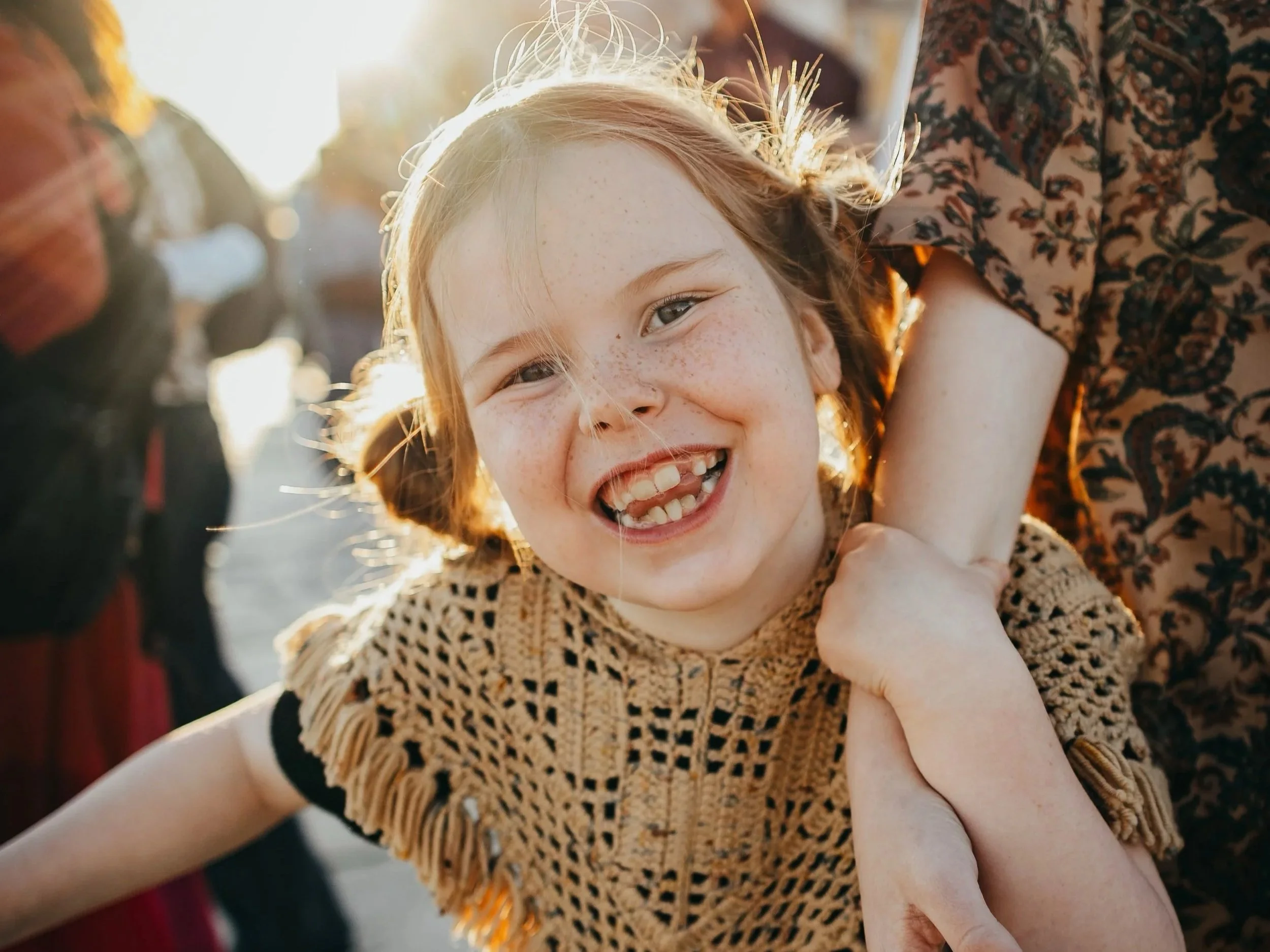
Amelia reminds me so much of little me — talkative, funny, full of life, and absolutely a feisty firecracker. If I was an American then, this would’ve been me for sure 😜
Our concerns about Amelia began during a trip to France three years ago. It was our first major trip as a family that involved a lot of walking, and we noticed that she was really struggling to keep pace. I remember there being whispers of worry that something was off. At the time, it was tough to determine whether there was an actual issue or if she simply wanted to be carried because she’s the baby and was used to being pampered. A year later, a small misstep at school left her with a broken hand. I was struck by how it was her first real injury, despite the countless tumbles that had once seemed ordinary. We just attributed it to clumsiness.
Her clumsiness worsened over the following year. It was subtle at first, then impossible to ignore. At her annual physical, I requested a referral for a physical therapy evaluation at our local children’s hospital. Kids were starting to notice at school. She was becoming self-conscious of the stumbles her body could no longer control. We first saw PT at NCH in November of last year where they expressed concern not only about her balance and abnormal gait but also identified neurological issues such as nystagmus, a head tilt, and a slight tremor. They also recognized signs of scoliosis and high arches. I’m honestly unsure of how I missed these symptoms until then, as they’ve now become so apparent. A call was put into neurology, and we took their first available appointment in early January. We started weekly PT the following week and Amelia’s PT said that we could not wait until January to be seen by neurology. She sent us on our way to the ER that evening.

We needed to rule out anything that was putting Amelia in immediate danger, such as a tumor, brain bleed or stroke. And though there was incredible terror in this moment, I can’t help but think, impossibly, that perhaps it would have been easier if it had been one of those things. Something with a clear path forward, rather than the slow, creeping uncertainty that would soon change everything. The MRI came back clear and her neurologist said that there are forms of hereditary ataxia that we need to rule out. Some are progressive and life shortening, and others are stable. He ordered the lab work and we waited 12 long weeks for an answer. Naturally, my mind roamed the darkest possibilities, and for three months that darkness held me captive. I wish I could say that Amelia’s genetic testing came back normal, but on February 20th, 2025, Amelia was diagnosed with Friedreich’s Ataxia.
So, what are we doing now? Grieving, of course, but also not taking a single moment for granted. Every second with her is precious. We are committed to giving her the most fulfilling life full of love, cherished memories, meaningful connections and experiences. Amelia is aware of certain aspects of her condition. She understands that she will eventually use a wheelchair and that many activities will become increasingly challenging. She is also aware that she has developed Hypertrophic Cardiomyopathy as a result of FA. Our little girl has the most wonderful, feisty spirit and a remarkable ability to bring joy and laughter even in difficult times. She is strong, compassionate and has so much to offer the world. These are things that will never be taken from her.
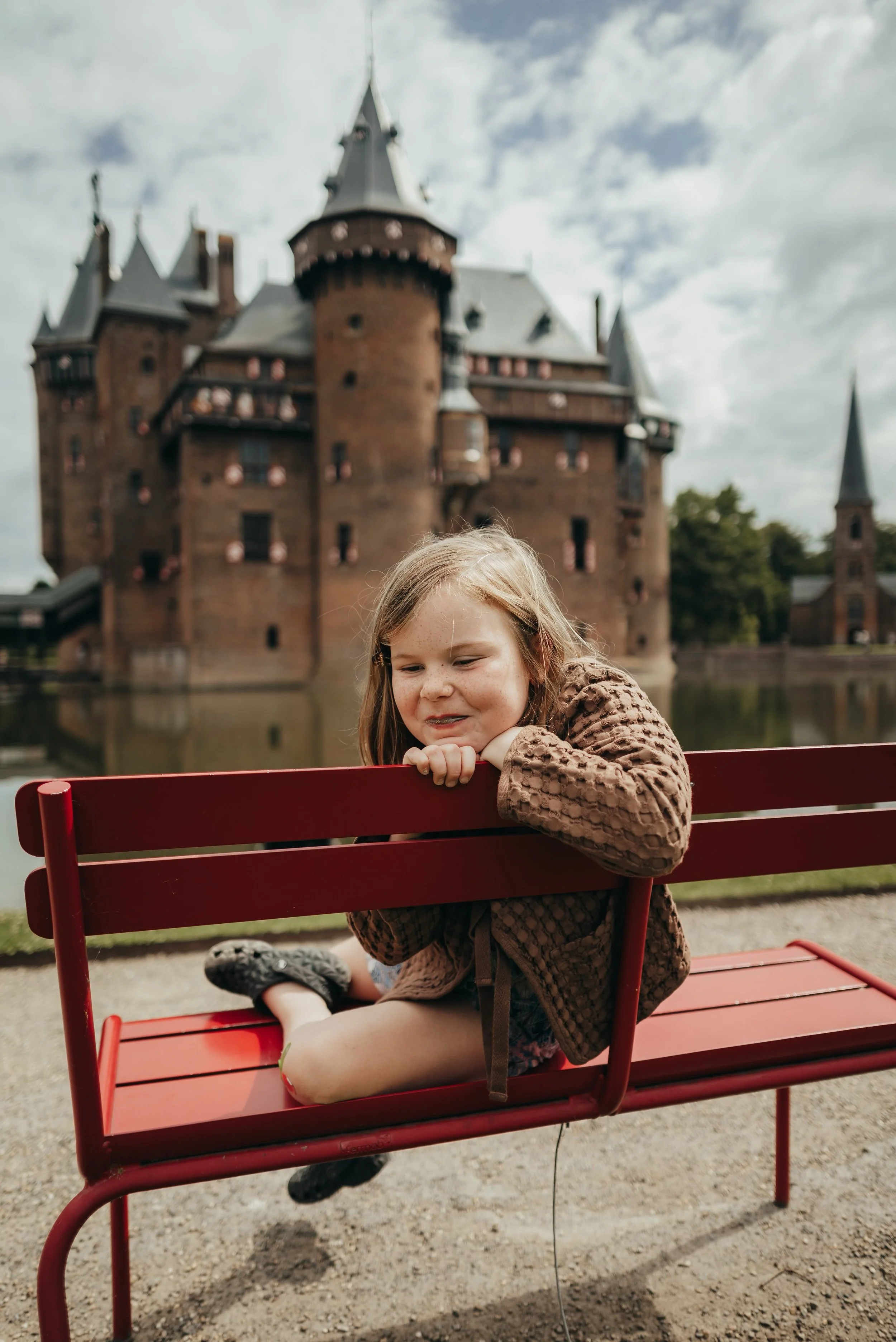
Amelia and I made an IG reel and I think we had way too much fun making it. I’m obsessed! :) Check It Out Too.
Living with a child who has a progressive neuromuscular disease changes the way time feels. The future no longer stretches out endlessly ahead of us; it presses in, fragile and uncertain. We must make the conscious choice, again and again, to live in the present moment. We measure our days differently now. Not by milestones or long-term plans, but by moments. It’s in the way her smile lights up a room, the sound of her laughter when something surprises her, the quiet comfort of holding hands on hard days. We chase joy where we can find it and create it where it doesn’t yet exist. We say yes more often. We slow down. There is grief woven into this way of living, but there is also intention. We are not waiting for a “someday” that may never come. We are living now, refusing to slow down until life inevitably demands it.
Travel has become our quiet rebellion against what this disease tries to take. They are sacred pauses in time, where the weight of prognosis loosens its grip. We travel while her body still allows it, fully aware that tomorrow may ask for more than today. We see the world through her eyes and are reminded to notice the beauty in the small moments, and to live with a depth of gratitude and joy that only she can teach us. It has shown us that even in the face of loss, there is still so much life to be lived, celebrated, and cherished. Even within limitations, wonder and experience are limitless. We are filling her days with adventure, comfort, and connection. One day, when she looks back on these memories, I hope she doesn’t see FA, but a life wrapped tightly in love, lived with purpose, presence, and joy.